
Something that was once used for lots of things all over the world was asbestos. It seemed too good to be true – and it really was! From buildings to ship building to smaller things like ironing boards, it was used for all sorts. It has the benefit of being heat proof as well as strong, and it was also inexpensive compared to many other materials.
In the UK, the period after the second world war saw asbestos being used a lot to build new homes to regenerate Britain and re-build after the war. Around this time there were suspicions about the material and the health consequences that come with it.
Despite being a highly versatile material, asbestos has a much more sinister side – it was discovered that there was a link between lung conditions that ultimately led to death and the inhalation of asbestos fibres. It was eventually banned for use in buildings in the year 2000 due to this.
However, there is a lot of it around and it can be found in homes that were built before the 2000s. Getting rid of it all is certainly not easy considering how widely used it was for such a long time. As well as being in homes it can also be found in soil – to get rid of it you need to get a professional like this soil remediation company https://soilfix.co.uk/services/soil-remediation to do it safely.
A surveyor will advise you when you are buying a property if they suspect asbestos is in there and will also be able to let you know how to deal with it.
Asbestos surveys for commercial buildings
Because asbestos can cause serious and often fatal illness, anyone responsible for a commercial building, or planning to buy or sell one, should consider an asbestos survey. Hidden asbestos can cause many problems later, and the regulations set out in 2012 must be followed in all buildings they cover.
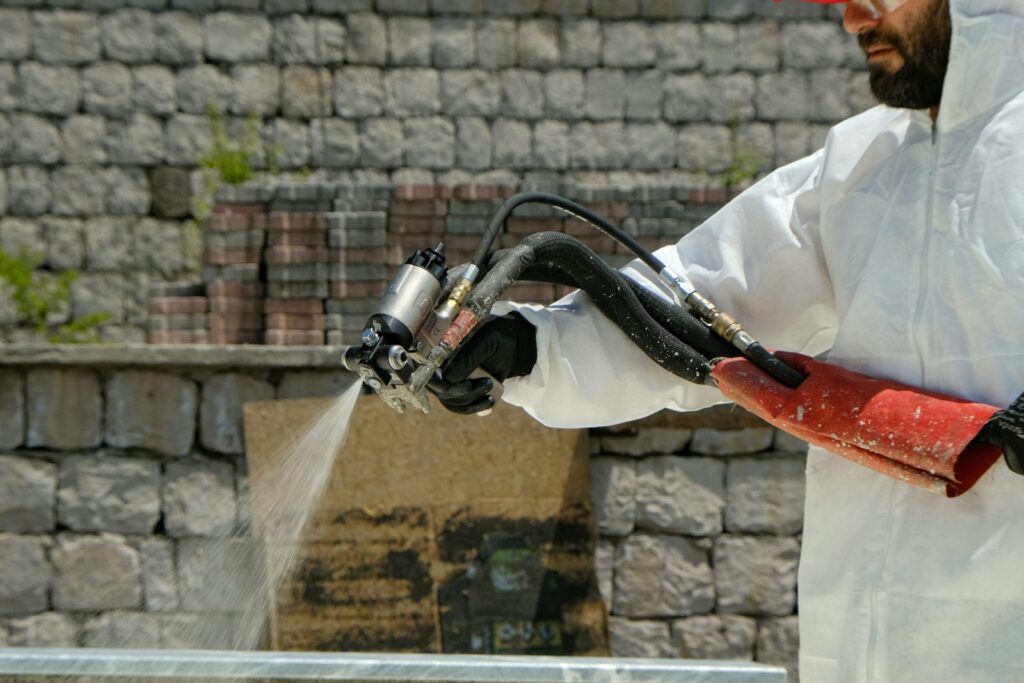
A survey first locates any asbestos and assesses its condition, then looks at how the material might be damaged or deteriorate over time. The findings are set out in a report.
That report is useful well beyond safety. It informs decisions about buying or selling, and a building found to contain damaged asbestos will be hard to sell until the material has been repaired or removed. Knowing where it is and what state it is in also means anyone working on the premises can avoid disturbing it.
Asbestos when buying or selling a home
Because asbestos was used so widely until it was banned in 1999, it can affect both buying and selling a home. In older properties it is most often found in roofs, as insulation in airing cupboards and around boilers, near fireplaces, in Artex finishes and in flooring. It is generally only dangerous when damaged or disturbed, which releases the fibres.
A building survey by a RICS surveyor will flag likely asbestos among many other checks. If it is found, a specialist asbestos survey is worth arranging, especially if you plan work that would disturb or remove it.
So many UK homes contain asbestos that finding it does not make a property unsaleable or mean a buyer has to pull out. If it is in a poor or dangerous state, sellers may choose to have it removed safely by experts so the sale can go ahead, although removal can be costly.
What to do if you find asbestos
Asbestos is mainly dangerous when it is damaged or disturbed, so the most important rule is not to touch it. Trying to remove it yourself is the worst thing you can do, because moving it can break the material and release the fibres you are trying to avoid. If it looks damaged or in poor condition, leave the area.
At work, tell a manager, supervisor or the building owner straight away. Responsibility for dealing with it lies with them, not with employees. If you are responsible for the building, you must make sure no staff or visitors are exposed. Material in good condition is not usually an immediate risk, but if it is damaged, clear people from the area and call a specialist quickly.
Do not assume either way. Some materials that look like asbestos are not, while others that seem harmless may contain it. The safest next step is an asbestos survey by a specialist, which will confirm whether asbestos is present and how it should be managed.